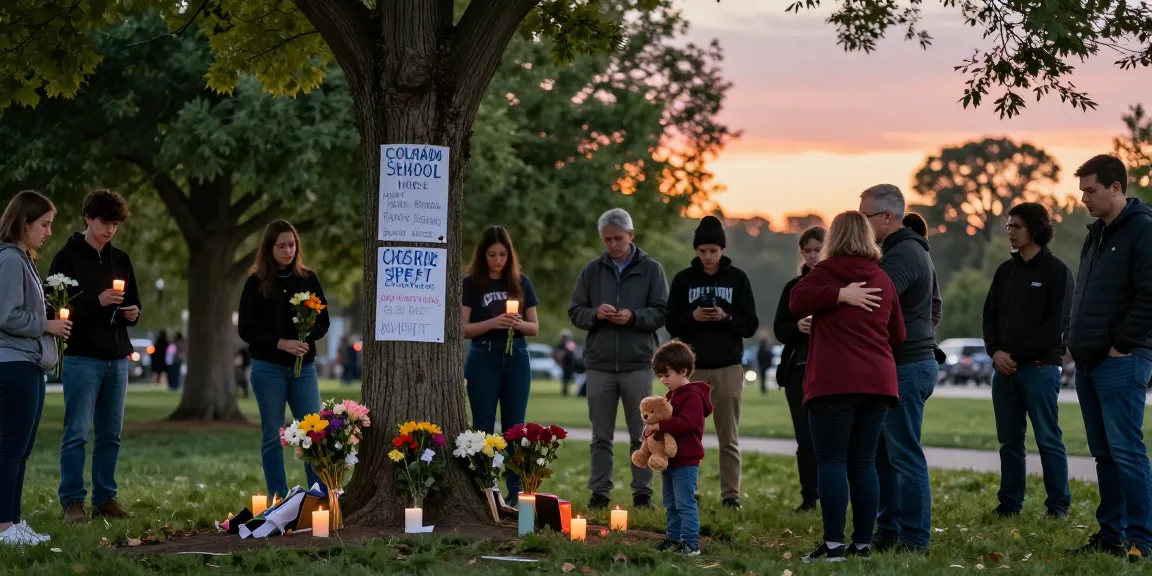
Understanding the Impact of Colorado School Shooting Incidents
The tragedies associated with school shootings have reshaped the educational landscape across the United States, impacting students, families, and communities in profound ways. Particularly, events like the Colorado School Shooting have ignited debates surrounding gun control, mental health support, and safety measures within educational institutions. As these discussions evolve, understanding the underlying causes and community responses becomes essential in crafting a safer future for all students. When exploring options, Colorado School Shooting incidents serve as a critical focal point for examining these broader implications.
What led to the notable Colorado School Shooting events?
Several factors contribute to the frequency and severity of school shootings in Colorado and elsewhere. These incidents typically involve a complex interplay of social, psychological, and environmental elements. Research indicates that many shooters have histories of behavioral issues or mental health challenges, often exacerbated by social isolation or bullying. Moreover, easy access to firearms has been a significant concern, raising questions about existing gun laws and their enforcement.
The Columbine High School shooting in 1999 marked a turning point in public perception and policy regarding school safety. It revealed vulnerabilities in school security systems and highlighted the need for comprehensive strategies to prevent such tragedies. Since then, various incidents, including the STEM School shooting in 2019, have underscored the ongoing risks faced by educational institutions in Colorado.
Long-term effects on communities and families
The aftermath of a school shooting extends far beyond the immediate trauma experienced on the day of the event. Families and communities often grapple with grief, anger, and a sense of helplessness. Survivors may experience long-lasting effects, including post-traumatic stress disorder (PTSD), anxiety, and depression. The impact is not confined to those directly involved; classmates, teachers, and even the broader community often feel the ripple effects of such violence.
Communities may also face challenges in rebuilding trust and safety within their schools. The stigma surrounding mental health and the fear of further violence can hinder open discussions and healing. Furthermore, neighborhoods marked by such tragedies can experience economic downturns as families relocate in search of safer environments.
Psychological repercussions for students and witnesses
Psychological repercussions of school shootings can be profound and multifaceted. Students who witness or are directly involved in a shooting may suffer from immediate and long-term mental health issues. Emotions like fear, guilt, and confusion are common, and without appropriate support, these feelings can manifest in various detrimental ways.
Schools have begun to recognize the importance of mental health resources in the wake of such events. Initiatives focusing on trauma-informed care, counseling services, and resilience training have emerged, aimed at helping students process their experiences and rebuild their lives. Understanding the psychological ramifications is crucial for educators and parents in supporting affected children.
Current Legislation and Its Effectiveness
Overview of gun control laws in Colorado
Colorado has been at the forefront of the gun control debate in the U.S., particularly following several high-profile school shootings. In response to these tragedies, lawmakers have enacted a series of measures aimed at restricting access to firearms. The state's gun laws include background checks for all private gun sales, restrictions on magazine capacities, and the establishment of a 'red flag' law, which allows law enforcement to temporarily remove firearms from individuals deemed a threat to themselves or others.
While these laws represent significant steps toward enhancing public safety, their effectiveness remains a topic of contention. Advocates argue that stricter regulations are necessary to prevent firearms from getting into the wrong hands, while opponents often cite the importance of personal freedom and self-defense.
Assessment of school safety measures post-shooting
In the wake of school shootings, many districts have implemented enhanced safety measures. These include increased police presence, improved surveillance systems, and strict access controls to school buildings. Crisis response drills have also become commonplace, aimed at preparing students and staff for potential violent situations.
However, the implementation of these measures is often met with mixed reactions. While some parents and educators feel safer due to heightened security, others express concerns about creating a prison-like atmosphere within educational environments. The balance between effective security and maintaining a nurturing learning environment continues to be a focal point for school boards across Colorado.
Community advocacy for change and prevention strategies
Community advocacy plays a vital role in shaping school safety policies and gun control laws. Groups like the Colorado chapter of Moms Demand Action and other grassroots organizations have emerged as powerful entities in the fight for safer schools. These advocates not only push for legislative changes but also promote awareness around mental health and the societal factors contributing to violence.
Community engagement initiatives focus on prevention strategies, such as building strong communication networks among parents, educators, and law enforcement. By fostering open dialogues about safety and mental health, communities can work collaboratively towards creating resilient environments for their children.
Future Trends in School Safety Protocols
Innovative technologies for school security enhancement
The integration of technology into school safety protocols is rapidly advancing. From AI-driven surveillance systems capable of detecting suspicious behavior to mobile apps that allow students to report concerns anonymously, schools are leveraging innovative solutions to enhance security. These technologies not only aim to prevent incidents but also contribute to creating a culture where students feel safe and heard.
Moreover, advancements in emergency communication systems are crucial for ensuring timely responses during a crisis. Schools are increasingly adopting platforms that enable real-time alerts and information sharing among students, staff, and emergency responders, thereby improving overall safety management.
Training programs for educators and staff
Effective training for educators and school staff is essential in mitigating the impact of potential school shootings. Comprehensive training programs that simulate crisis scenarios prepare staff to respond decisively and calmly in high-stress situations. This proactive approach not only enhances safety but also fosters a sense of preparedness among educators.
Additionally, mental health first aid training programs equip staff with the skills to identify and address students' emotional and psychological needs before they escalate into crises. By prioritizing these training initiatives, schools can cultivate a more supportive environment for both students and staff.
Predictions for mental health resources in schools
Looking ahead, the role of mental health resources in schools is expected to expand significantly. As awareness of the psychological effects of violence increases, educational institutions are likely to enhance their mental health services. This may involve employing more counselors, implementing peer support programs, and providing access to mental health professionals onsite.
Furthermore, partnerships between schools and mental health organizations can facilitate better resource allocation and support for students in need. Addressing mental health proactively will be a key element in preventing future incidents and supporting the overall well-being of students.
Community Support and Healing Initiatives
Role of community organizations in recovery efforts
Community organizations are often at the forefront of recovery efforts following a school shooting. These groups provide essential support services, including grief counseling, mental health resources, and community-building activities. By fostering connections among families affected by violence, they help to rebuild the social fabric of the community and promote healing.
Such initiatives can also engage local businesses and residents in support efforts, highlighting the importance of collective healing. Events such as memorials, support groups, and wellness workshops can provide safe spaces for individuals to process their feelings and experiences.
Effective communication strategies for families
Post-incident communication between schools and families is critical for fostering trust and transparency. Schools must develop clear protocols for informing parents about safety measures, mental health resources, and support systems in place following a crisis. Timely and sensitive communication helps to alleviate fears and uncertainty, ensuring that families feel connected and supported during challenging times.
Furthermore, schools can benefit from creating platforms for dialogue with parents, allowing them to express concerns and provide feedback on safety measures and mental health resources.
Building resilience in the aftermath of tragedy
Building resilience in students and communities following a school shooting is essential for long-term recovery. Programs that focus on social-emotional learning and coping strategies can empower individuals to navigate their feelings and foster a sense of agency. Schools should prioritize initiatives that assist students in developing healthy relationships, effective communication skills, and emotional intelligence.
Additionally, community resilience programs can promote collective healing and growth by encouraging open discussions about trauma and recovery. As communities come together to support one another, they can emerge stronger and more connected.
Addressing Myths and Misconceptions about School Shootings
Common misconceptions about the causes of school shootings
Misconceptions surrounding the causes of school shootings can hinder effective prevention strategies. Many people mistakenly attribute these incidents solely to mental illness, ignoring the multifaceted nature of violence, which includes social, economic, and cultural factors. Understanding that school shootings often stem from a combination of issues can help inform more comprehensive approaches to prevention.
Moreover, the stereotype that all school shooters are loners or misfits is misleading. In reality, many perpetrators appear to be well-adjusted individuals who struggle with personal issues or crises. This highlights the importance of community connections and proactive measures in identifying and supporting at-risk youths.
Raising awareness through education and discourse
Education and open discourse about school shootings are vital for combating myths and misconceptions. Schools can implement curricula that cover the social factors contributing to violence, such as bullying, isolation, and access to firearms. By fostering discussions around these topics, schools can encourage empathy and understanding among students.
Community workshops and public forums can also serve as platforms for raising awareness and promoting informed discussions about school safety and violence prevention. Engaging in dialogue with experts, survivors, and community leaders can enrich these conversations and help foster a culture of safety and understanding.
Expert insights on prevention and safety practices
Experts in education, psychology, and law enforcement stress the importance of a multifaceted approach to preventing school shootings. This includes implementing evidence-based safety practices, enhancing mental health resources, and fostering strong community relationships. Engaging parents, educators, and students in discussions about safety and violence can cultivate a shared sense of responsibility and vigilance.
Furthermore, continual training for school staff on prevention strategies and crisis response ensures that educational institutions remain prepared for potential threats.
What are key resources for families affected by school shootings?
Families affected by school shootings require various resources to navigate their grief and trauma. Mental health services, support groups, and crisis hotlines are essential for providing immediate assistance. Many organizations focus specifically on supporting victims of gun violence, offering counseling, legal assistance, and community support.
Additionally, schools can play a pivotal role in connecting families with resources and ensuring that they have access to necessary support services.
How can communities come together to prevent future incidents?
Community unity is a powerful deterrent against violence. By fostering strong connections among residents, organizations, and local leaders, communities can work collaboratively towards creating safer environments. Engaging in community forums to discuss safety concerns, implementing neighborhood watch programs, and advocating for policy changes can all contribute to a broader culture of prevention.
Furthermore, educating community members about the signs of potential violence and encouraging them to speak up can enhance overall vigilance and safety.
What role does mental health play in the aftermath of a shooting?
Mental health plays a critical role in the recovery process following a school shooting. Many individuals experience trauma and distress, necessitating immediate intervention and ongoing support. Schools and communities must prioritize mental health resources and create environments where seeking help is normalized.
Additionally, addressing mental health issues as part of a larger prevention strategy can help identify at-risk individuals before situations escalate. Fostering resilience through mental health education can empower students to cope effectively with their experiences.
How should schools communicate with parents post-incident?
Clear and compassionate communication is essential for schools following a traumatic incident. Schools should provide timely updates about safety measures, counseling resources, and support systems in place for students and families. Utilizing multiple communication channels, such as emails, social media, and town hall meetings, can ensure that all parents are informed.
Furthermore, creating opportunities for parent engagement and feedback can promote a sense of collaboration and community understanding.
What advancements in technology are shaping school safety?
Technological advancements continue to shape school safety protocols. Innovative solutions such as biometric access controls, AI surveillance, and emergency notification systems are increasingly integrated into school environments. These technologies not only enhance security but also facilitate quicker response times during crises.
As these advancements evolve, schools must remain vigilant in their implementation, ensuring that they do not compromise the fundamental purpose of education: to provide a safe and nurturing learning environment for all students.