Understanding Roof Spray Foam Removal
What is Roof Spray Foam?
Roof spray foam, commonly known as spray polyurethane foam (SPF), is an innovative insulation material applied in a liquid state that expands and hardens upon application. This unique characteristic enables it to form a seamless and airtight seal, effectively trapping heat during colder months and maintaining cooler temperatures under the roof during hotter seasons. SPF is lauded for its energy efficiency, moisture resistance, and durability, making it a popular choice among homeowners seeking enhanced insulation. However, its effectiveness heavily relies on proper application and conditions, which can lead to scenarios necessitating roof spray foam removal.
Benefits of Roof Spray Foam Removal
There are several compelling reasons why homeowners may opt for roof spray foam removal. Firstly, the removal process can help in rectifying problematic installations where spray foam was applied incorrectly, such as inadequate coverage leading to thermal inefficiencies. Secondly, it enables repairs to underlying roof structures that may have suffered from rot or mold due to trapped moisture. Additionally, removing spray foam can restore the original roofing materials, which may prolong the lifespan of the roof itself. Lastly, in cases where a different insulation solution is needed, removing existing foam allows homeowners to explore alternative options that align with their energy efficiency and budget goals.
Common Reasons for Removal
Roof spray foam may need to be removed for various reasons; among the most common include:
- Moisture Trapping: If inadequately installed or aged foam traps moisture, it can lead to decay or rotting of the roof structure.
- Poor Application: Insufficient or uneven coverage can cause thermal inefficiencies, compromising the insulation quality.
- Change in Needs: Homeowners may decide to switch to different roofing materials or improved insulation types as technology progresses.
- Damage Repair: Structural damage may necessitate removal to assess and repair underlying issues thoroughly.
Preparing for the Roof Spray Foam Removal Process
Assessing the Roof Condition
The assessment of the roof condition is a critical preliminary step before attempting roof spray foam removal. This evaluation should include:
- Visual Inspection: Examine for any visible signs of damage, such as sagging areas, mold development, or leaks, which may affect the removal process.
- Structural Integrity Check: Ensure the supporting structures beneath the foam are sound and capable of sustaining the removal process.
- Previous Treatments: Note any prior repairs or treatments that could influence the removal, such as coatings or sealants.
A thorough inspection helps in strategies for removal and understanding potential obstacles.
Choosing the Right Tools and Materials
Equipping oneself with the right tools and materials is crucial for a successful roof spray foam removal. Key tools include:
- Insulation Removal Equipment: Using specially designed cutters can help slice through the foam with minimal strain on underlying materials.
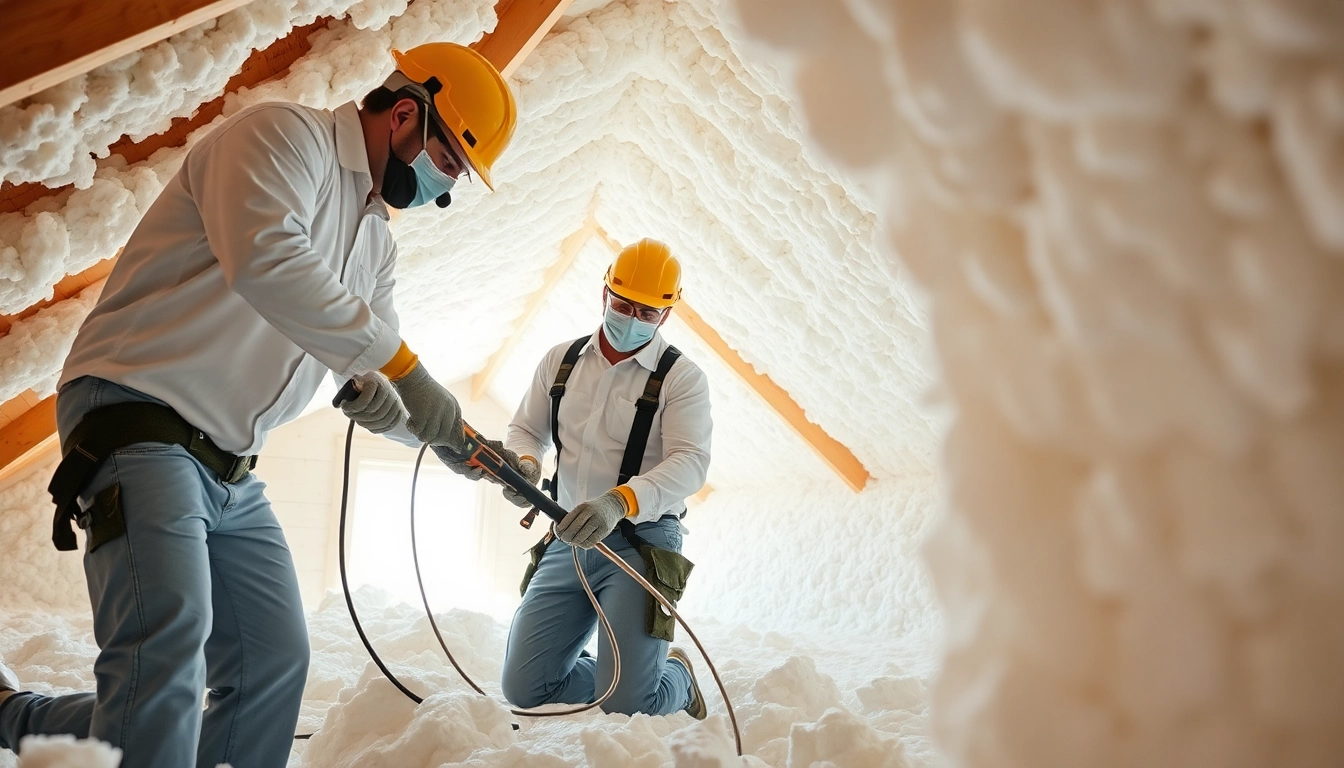
- Protective Gear: Safety glasses, gloves, and respiratory masks should be worn to protect from foam particles and irritants.
- Extraction Tools: Vacuum systems may be employed to effectively collect foam remnants and debris to minimize mess.
- Sealing Solutions: If leaks are detected, having sealing products available to address compromised areas during removal is advantageous.
Safety Precautions to Follow
Safety must remain a priority during any roof spray foam removal project. Key precautions include:
- Workspace Preparation: Clear the roof of any debris and ensure the area is free of hazards that could pose risks of slipping or falling.
- Proper Ventilation: Enhance air circulation to mitigate exposure to fumes and irritants that may arise from foam disturbance.
- Emergency Preparedness: Have a first aid kit readily available and establish a plan of action in case of accidents.
Step-by-Step Process for Roof Spray Foam Removal
Initial Inspection and Planning
Before initiating the removal process, a detailed plan must be established. This planning phase consists of:
- Timeline Establishment: Creating a schedule that considers weather conditions and the number of personnel involved will enhance efficiency.
- Identifying Removal Techniques: Researching and selecting the most effective methods compatible with the state of the foam and underlying structures.
- Documenting Conditions: Taking notes and photographs of the roof condition prior to removal for future reference and to guide the restoration process.
Executing the Removal Technique
The execution phase comprises several steps to ensure efficient removal:
- Sectional Removal: Work in smaller sections to manage the process effectively, removing foam incrementally rather than all at once.
- Utilizing Tools Effectively: Employ the chosen tools meticulously, slicing through foam while being careful to minimize damage to the underlying roofing.
- Disposal Considerations: Properly disposing of foam remnants according to local regulations prevents environmental damage and ensures compliance.
Post-Removal Cleanup and Maintenance
After the foam is removed, cleanup and maintenance tasks are vital to restore the roof’s integrity:
- Debris Collection: Ensure all remnants of spray foam and removal materials are collected and properly disposed of.
- Surface Cleaning: Clean the roof’s surface to prepare for any new installations or repairs.
- Inspection: Conduct a thorough inspection for damage or issues that need addressing before proceeding with new insulation or roofing materials.
Challenges in Roof Spray Foam Removal
Identifying Structural Issues
During removal, hidden structural issues may be revealed, such as rotting wood or water damage that was previously obscured by spray foam. Identifying these issues early helps prevent costly repairs and ensures a sound framework for any future roofing materials.
Dealing with Residual Adhesives
Foam removal often leaves behind adhesive residues that can be challenging to eliminate. Specialized solvents or scrapers can be useful in addressing these remnants. Providing a thorough cleaning is critical to ensure successful new applications on the underlying surface.
Mitigating Environmental Impact
Proper disposal of removed foam is essential for mitigating environmental impacts. Many localities have regulations regarding hazardous waste disposal. Engaging with professionals experienced in eco-friendly practices can significantly reduce any negative effects during the removal process.
Frequently Asked Questions About Roof Spray Foam Removal
How Long Does Roof Spray Foam Removal Take?
The length of time for roof spray foam removal can vary based on the foam’s thickness and the roof size but typically ranges from a few hours to a couple of days.
Is Roof Spray Foam Removal Safe?
Yes, roof spray foam removal is safe when proper safety protocols are followed, including using protective gear and ensuring adequate ventilation.
What Will Happen to My Roof After Removal?
After removal, the condition of your roof will dictate further actions. Repairs might be necessary, or new insulation could be applied to enhance efficiency.
Can I Perform Roof Spray Foam Removal Myself?
While DIY removal is possible, it is complex and requires knowledge of safety and techniques. Hiring professionals is advisable to ensure effective and safe removal.
What Are the Costs Associated with Roof Spray Foam Removal?
Costs for roof spray foam removal vary based on the area, the extent of the project, and disposal fees, typically ranging from hundreds to thousands of dollars.