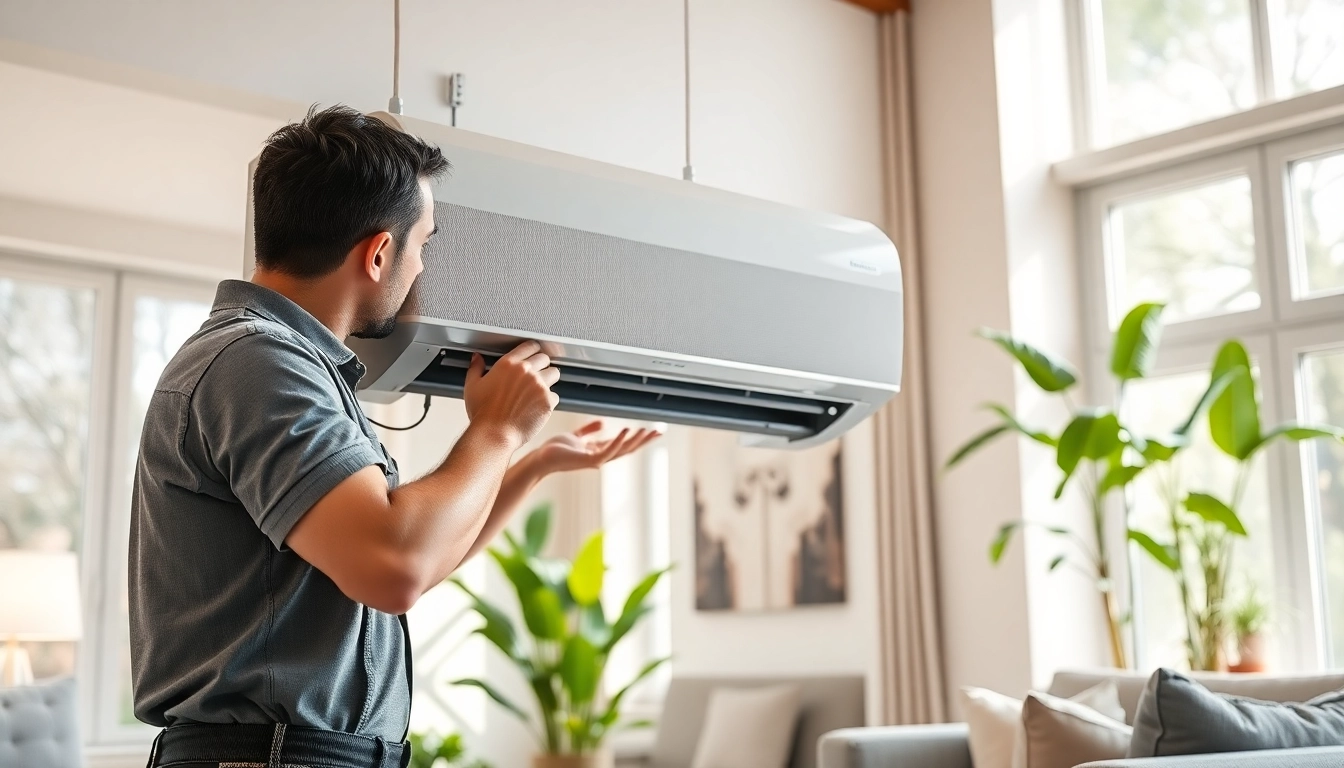
Understanding Mini Split AC Benefits
As homeowners look for efficient ways to cool their spaces, the popularity of the mini split ac system continues to rise. These systems not only offer comfort during hot months but also come with numerous benefits that make them a preferred choice in many households. Below, we explore some key advantages of mini split AC systems that ensure they stand out in the HVAC market.
Energy Efficiency and Cost Savings
One of the standout features of a mini split AC is its energy efficiency. These systems typically operate using inverter technology, allowing them to adjust their cooling output in response to current conditions. Unlike traditional central air conditioning systems that cycle on and off, mini splits can maintain a consistent temperature with lower energy consumption. This efficiency can translate into significant energy savings on your utility bills, making mini split AC systems not only eco-friendly but also budget-friendly. Furthermore, many models come equipped with high SEER (Seasonal Energy Efficiency Ratio) ratings, indicating their ability to cool spaces with minimal energy use.
Space-Saving Design Advantages
Mini split AC systems are designed to be compact and versatile. With indoor units that can be wall-mounted or ceiling-mounted, they do not take up valuable floor space, making them ideal for both small apartments and large homes. The outdoor units can be placed discreetly, further enhancing aesthetic appeal while providing powerful cooling. This space-saving feature is particularly beneficial in densely populated urban areas where traditional ductwork is impractical. Homeowners appreciate gaining considerable wall space and having flexible installation options for their living areas.
Flexible Installation Options
The installation of a mini split AC system is often more straightforward than traditional systems. It does not require extensive ductwork, which means less disruption during installation. Most mini split systems only require a small hole for the refrigerant lines, which makes installation quicker and more cost-effective. Homeowners have the flexibility to choose multi-zone systems that allow them to control the temperature in different areas of their home individually. This customization increases comfort and further enhances energy savings.
How to Select the Perfect Mini Split AC
Choosing the right mini split AC system can be daunting with various options available on the market. A comprehensive approach to assessing your needs is essential to ensure optimal cooling performance. Here are some steps to guide you in selecting the perfect system for your home.
Assessing Your Space and Cooling Needs
The first step in choosing a mini split AC is evaluating your specific cooling needs. Measure the square footage of the area you intend to cool and consider the number of windows, insulation quality, and the climate in your region. Understanding the layout of your space helps determine the number of indoor units needed for adequate cooling. Remember, larger spaces may require multiple units, while smaller areas may thrive on a single unit, which will influence your decision and budget.
Comparing BTU Ratings and Features
BTU (British Thermal Unit) ratings are crucial when selecting an AC unit, indicating its cooling capacity. An undersized unit will struggle to cool the space, while an oversized unit may lead to inefficiencies. As a rule of thumb, consider that you need approximately 20 BTUs for each square foot of living space. However, additional factors such as high ceilings or large windows can require adjustments. In addition to BTU ratings, compare the features of different models, such as programmable timers, remote controls, and filters that promote better air quality.
Understanding SEER Ratings and Efficiency
Take note of the SEER ratings when shopping for a mini split AC. A higher SEER rating indicates better energy efficiency, which can lead to increased long-term savings on electricity bills. Look for units with a SEER rating of 15 or higher for optimal performance. Additionally, pay attention to the unit’s noise levels, especially for indoor units. Lower decibels often translate to a more comfortable living environment, ensuring your home remains a tranquil space.
Installation Process for Mini Split AC
Installing a mini split AC system requires careful planning and execution, ensuring that the system operates efficiently and effectively. Below is a detailed step-by-step guide to help navigate the installation process.
Preparing the Installation Site
Before installation, ensure that the selected location for both the indoor and outdoor units is free from obstructions. Indoor units should be positioned high on walls for optimal air circulation, while outdoor units require ample space for ventilation and maintenance access. Clear any debris or vegetation near the outdoor unit that may impede airflow.
Step-by-Step Installation Guide
- Mount the Indoor Unit: Secure the mounting bracket provided with your unit to the wall, ensuring it is level. Hang the indoor unit, making sure it fits properly.
- Drill the Hole: Drill a small hole through the wall for refrigerant and drainage lines, ensuring it’s angled downward towards the outdoor unit.
- Connect Refrigerant Lines: Carefully run the refrigerant lines and electrical wiring from the indoor unit to the outdoor unit by threading them through the hole.
- Install the Outdoor Unit: Place the outdoor unit on a stable platform or foundation, ensuring it is level and secure.
- Connect Power Supply: Connect the power supply to the outdoor unit and ensure all electrical requirements are met.
- Test the System: Once all connections are made, test the system to ensure it operates correctly.
Common Installation Mistakes to Avoid
Even a minor error during installation can lead to performance issues. Avoid common pitfalls such as improper placement of units causing insufficient airflow, neglecting to insulate refrigerant lines, and failing to secure the outdoor unit, which can lead to noise and vibrations. Additionally, not following the manufacturer’s installation instructions can result in voided warranties or system malfunctions. If you feel unsure about any part of the installation process, hiring a professional can save you from mistakes that may incur additional costs down the line.
Maintenance Tips for Mini Split AC Systems
Regular maintenance is vital for the longevity and efficiency of mini split AC systems. Implementing a consistent care routine helps avoid unexpected repairs and ensures optimal cooling performance. Below are some maintenance tips that every homeowner should consider.
Regular Cleaning and Filter Replacement
Regularly cleaning filters and outdoor units is essential to ensure maximum efficiency. Dust and debris can block airflow, reducing performance significantly. Ideally, clean or replace the filters every 1 to 3 months. For outdoor units, check for leaves and dirt to improve performance and lifespan. If you live in a dusty environment or have pets, this may require more frequent attention.
Identifying Common Issues
Being proactive in addressing issues can save homeowners time and money. Common symptoms like inadequate cooling, unusual noises, or frequent cycling could point to air restrictions or refrigerant leaks. Monitoring performance and knowing when to call a technician for repairs can greatly enhance the system’s longevity. Taking note of these early signs can prevent larger issues from developing.
Scheduling Professional Maintenance
Though most maintenance can be conducted by homeowners, scheduling professional maintenance once a year is advisable. An HVAC technician will ensure that the system functions efficiently, checking refrigerant levels, electrical components, and any other technical aspects that could lead to problems down the road. Regular professional maintenance provides peace of mind and can enhance your system’s longevity.
Maximizing Comfort with Mini Split AC
The versatility of mini split AC systems allows homeowners to maximize comfort while minimizing costs. By understanding how to leverage their features, one can enjoy tailored climate control in their homes.
Setting Up Optimal Temperature Zones
Mini split AC systems are designed for zone cooling, allowing different areas of the home to be cooled to varying degrees based on individual preferences. By strategically placing multiple indoor units across different rooms, you can control temperature zones, making living spaces more comfortable while reducing wasteful energy use in unoccupied areas. This method results in customized comfort and leads to significant energy savings over time.
Utilizing Smart Controls for Efficiency
Many modern mini split AC systems come with smart technology features. This includes Wi-Fi connectivity that allows users to control settings via smartphones. Utilizing smart controls can help schedule cooling times efficiently and optimize energy usage. Smart controls often provide usage data, enabling homeowners to analyze patterns and adjust accordingly, further enhancing efficiency and comfort.
Combining with Other HVAC Solutions
To achieve the best comfort levels possible, consider integrating your mini split AC with other HVAC solutions such as ceiling fans, air purifiers, or smart thermometers. Ceiling fans can help distribute cool air evenly, while air purifiers enhance indoor air quality. Creating a comprehensive cooling strategy ensures you get the most out of your mini split system, addressing individual comfort needs while maintaining a healthy environment.
Frequently Asked Questions
1. What is a mini split AC system?
A mini split AC system is a ductless heating and cooling solution comprising an indoor unit mounted on walls and an outdoor unit. It efficiently cools spaces without the need for ductwork.
2. How much energy does a mini split AC use?
Energy consumption depends on the BTU rating and the SEER rating. On average, mini split systems consume less energy than traditional air conditioning units, leading to cost savings.
3. Can you install a mini split AC system yourself?
While DIY installation is possible, it is recommended to have a professional do it to ensure proper setup and avoid voiding warranties or causing performance issues.
4. How often should I clean my mini split AC?
Clean or replace the air filters every 1 to 3 months. It’s also advisable to schedule professional maintenance annually for optimal performance.
5. What is the lifespan of a mini split AC system?
With proper maintenance, a mini split AC system can last between 15 to 20 years. Regular care is essential for maximizing its lifespan and performance.