Introduction to lvp floor
When it comes to flooring options, versatility and durability play a crucial role in making a choice. lvp floor, or luxury vinyl planks, has gained immense popularity among homeowners and designers alike. This category of flooring offers the aesthetic appeal of hardwood or stone while providing practical advantages such as resistance to wear and moisture. In this comprehensive guide, we will explore what lvp floor is, its benefits, manufacturing process, and more to help you make informed choices for your home.
What is lvp floor?
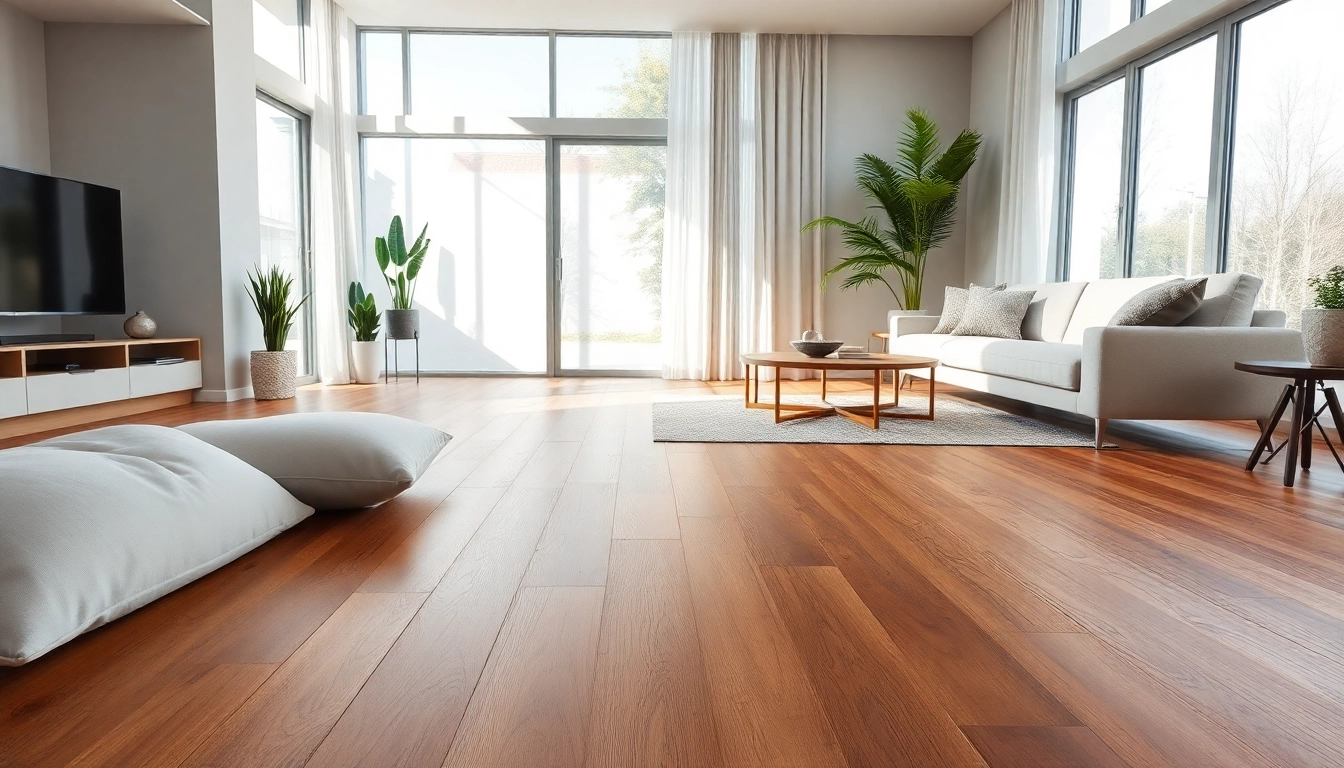
lvp floor stands for luxury vinyl planks, a type of flooring constructed with multiple layers that combine to create a durable and realistic-looking surface. They mimic natural materials like wood or stone through advanced printing technology, ensuring they can offer the beauty of these materials without the associated drawbacks. Made from polyvinyl chloride (PVC), lvp floor is designed to withstand the rigors of everyday use, making it an excellent choice for residential and commercial spaces alike.
Benefits of choosing lvp floor
The advantages of lvp floor extend beyond aesthetics. Here are some compelling reasons why homeowners choose this flooring option:
- Durability: lvp floor is resistant to scratches, dents, and stains, making it ideal for busy households and high-traffic areas.
- Waterproof: Unlike traditional hardwood, lvp floor can withstand moisture, making it suitable for kitchens, bathrooms, and basements.
- Easy Maintenance: Cleaning lvp floor is a breeze; regular sweeping and occasional mopping will keep it looking brand new.
- Cost-Effective: Compared to hardwood or tile, lvp floor typically costs less, including installation, without sacrificing quality or appearance.
- Comfort and Warmth: lvp floor is softer underfoot than tile and cold surfaces, providing a more comfortable environment, especially in winter.
Understanding the manufacturing process
The manufacturing of lvp floor consists of several layers that contribute to its impressive performance and appearance. Here’s a brief overview of the lvp floor manufacturing process:
- Backing Layer: The bottom layer provides stability and cushioning, helping absorb sound.
- Core Layer: This offers durability and increases the floor’s rigidity, allowing it to resist impacts.
- Design Layer: High-resolution images of natural materials are printed on this layer, creating the look of wood or stone.
- Wear Layer: The topmost layer is a transparent vinyl that protects against scratches and stains, enhancing the floor’s longevity.
Choosing the Right lvp floor for Your Home
When selecting lvp floor for your home, it’s essential to consider various factors to ensure it meets your needs and complements your style. Here are the key aspects to evaluate:
Factors to consider when selecting lvp floor
Consider the following elements when choosing the right lvp floor for your space:
- Durability: Look for lvp flooring with a thicker wear layer if you have pets or high foot traffic.
- Room Use: Assess the moisture levels and activities of each room to select an appropriate product tailored to the environment.
- Color and Style: Match the flooring’s color and design with your existing decor for a cohesive look.
- Budget: Establish a budget that accommodates both flooring and installation without compromising quality.
Colors and design options for lvp floor
lvp floor is available in a wide array of colors, textures, and designs. Popular options include natural wood tones like oak, walnut, and hickory, as well as stones like slate and marble. Selecting the right shade and texture can significantly influence the ambiance of a room:
- Light Colors: These can brighten small rooms and create an airy feeling.
- Dark Colors: These provide warmth and sophistication but may show dust and pet hair more readily.
- Patterns: Some lvp flooring options offer unique patterns that can add visual interest and style to a space.
Matching lvp floor with interior decor styles
Consider the various interior design styles you may have in your home when selecting lvp floor:
- Modern: Clean lines and minimalism are complemented by sleek, neutral-toned lvp floors.
- Traditional: Warm wood tones add character and elegance to classic decor.
- Rustic: Weathered finishes bring a sense of comfort and charm, perfect for farmhouse aesthetics.
Installation Guide for lvp floor
Installing lvp floor can be a straightforward process if you prepare adequately. Here’s a comprehensive guide on installation:
Preparing your space for lvp floor installation
Before laying down your new lvp floor, ensure your space is ready. Follow these steps:
- Clear the Area: Remove all furniture, rugs, and old flooring if necessary.
- Check the Subfloor: The subfloor needs to be clean, dry, and level. Any imperfections can affect the lvp floor’s performance.
- Acclimation: Let the lvp floor acclimate to the room’s temperature and humidity for at least 48 hours before installation.
DIY vs. professional installation of lvp floor
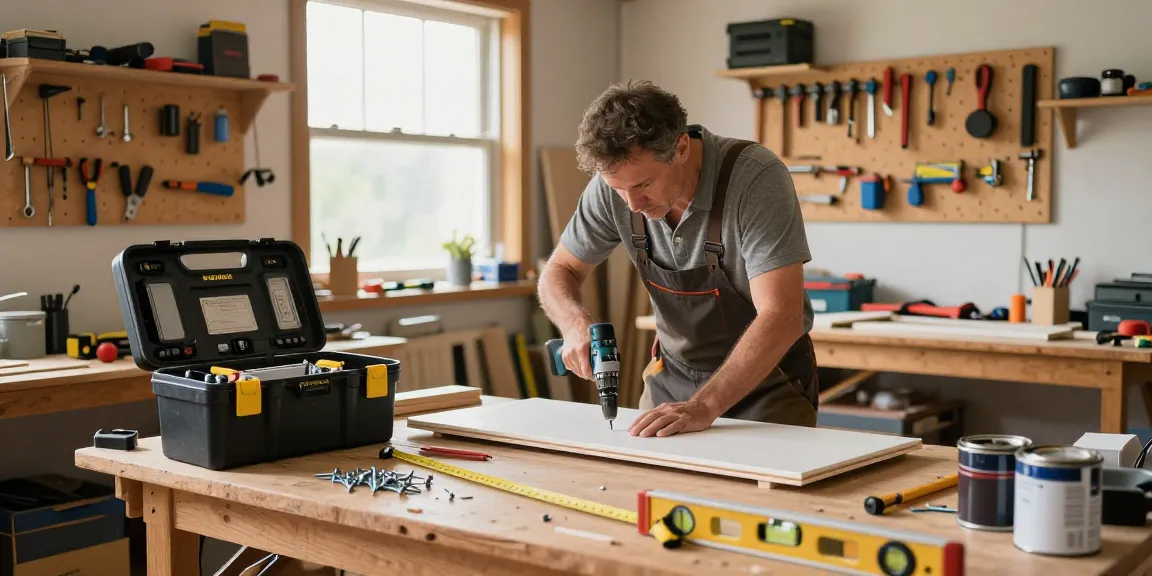
While many homeowners choose to install lvp floor themselves, hiring a professional can ensure a flawless finish. Here are some pros and cons:
- DIY: This can save money, and the installation process can be enjoyable if you have the right tools and skills.
- Professional Installation: This can provide peace of mind, as experts will have experience and techniques that save time and effort.
Step-by-step installation tips
If you choose the DIY route, follow these steps for a smooth lvp floor installation:
- Dry Fit: Lay planks down without adhesive to see how they fit together.
- Start in a Corner: Begin laying your lvp floor in a corner, working your way out towards the door.
- Use Spacers: Install spacers along walls to allow for expansion.
- Locking Mechanism: If you have a floating lvp floor, lock the planks together following the manufacturer’s instructions.
- Final Touches: After installation, remove spacers and add trim or molding for a finished look.
Maintenance of Your lvp floor
Maintaining your lvp floor will ensure its longevity and appearance. Here are essential maintenance routines and tips:
Daily cleaning routines for lvp floor
Establishing a daily cleaning routine will keep your lvp floor looking pristine:
- Sweeping: Remove dirt and debris using a soft-bristle broom or vacuum with a hard floor attachment.
- Mopping: Use a damp mop with a gentle cleaning solution specifically designed for vinyl flooring.
Long-term care tips for lvp floor
Long-term care can prevent damage over the years. Consider these tips:
- Area Rugs: Use area rugs in high-traffic zones to reduce wear on your lvp floor.
- Furniture Protectors: Attach felt pads to furniture legs to prevent scratches and indentations.
- Avoid Harsh Chemicals: Steer clear of abrasive cleaners that can damage the wear layer.
Common mistakes to avoid
To ensure you get the most out of your lvp floor, avoid these common pitfalls:
- Poor Installation: Abrupt edges and unaligned planks can create gaps over time.
- Ignoring Manufacturer Instructions: Failing to follow guidelines can void warranties or damage the floor.
Frequently Asked Questions about lvp floor
What is the lifespan of lvp floor?
lvp floor typically lasts between 10 to 20 years, depending on the quality of the material and maintenance practices.
Is lvp floor waterproof?
Yes, lvp floor is waterproof, making it suitable for bathrooms, kitchens, and areas prone to moisture.
Can lvp floor be installed over existing floors?
Yes, lvp floor can often be installed over existing floors, provided the surface is level and stable.
How do I repair scratches on lvp floor?
For minor scratches, clean the area, use a vinyl floor repair kit, or apply a color-matched marker. For deeper scratches, consider replacing the affected plank.
Is lvp floor suitable for high-traffic areas?
Absolutely. lvp floor’s durability makes it ideal for high-traffic areas, providing long-lasting resilience.