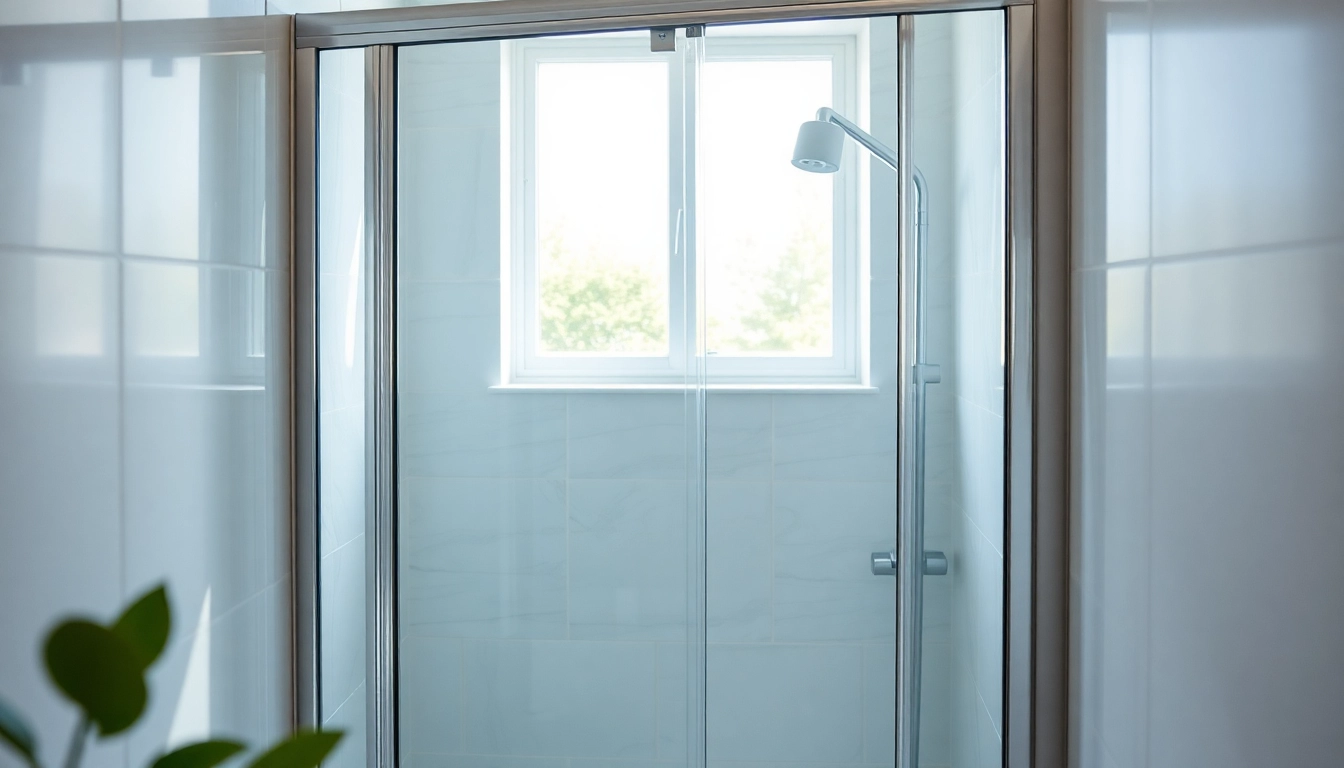
The Benefits of Shower Sliding Doors
Shower sliding doors have gained popularity in modern bathrooms due to their blend of style, functionality, and practicality. They are more than just a design choice; their numerous benefits make them an excellent option for various bathroom layouts. For those considering a bathroom upgrade, understanding the advantages can help pave the way for informed decisions. Among these options, shower sliding doors stand out for several compelling reasons.
Space-Saving Design
One of the most significant advantages of shower sliding doors is their space-saving design. Unlike traditional hinged doors that require ample clearance to open, sliding doors glide effortlessly along tracks. This makes them ideal for smaller bathrooms where every square foot counts. Additionally, their design allows for maximizing the layout of the space, offering more room for other fixtures or features. As a result, even compact bathrooms can feel more spacious and open.
Enhanced Accessibility
Shower sliding doors provide enhanced accessibility, making them suitable for users of all ages and mobility levels. The absence of a swinging door means individuals can enter and exit the shower without maneuvering around obstacles, which can often be a challenge in cramped spaces. Wider entries provided by sliding doors accommodate mobility aids, making them a practical choice for families with young children or elderly members.
Easy Maintenance
In terms of maintenance, shower sliding doors offer a distinct advantage. Their smooth surfaces can be easily wiped down to remove soap scum and water stains, ensuring that they remain clear and clean without extensive upkeep. Additionally, many modern sliding doors come with a protective coating that discourages hard water buildup, further simplifying the cleaning process. Less maintenance means more time enjoying your stylish bathroom rather than cleaning it.
Choosing the Right Shower Sliding Doors
With various options available, selecting the right shower sliding doors requires attention to material, size, fit, and design. Each choice plays a crucial role in how the doors function and fit within your specific bathroom environment.
Material Options
When it comes to materials, glass and acrylic are the two primary choices. Glass provides a luxurious and high-end appearance, with options like clear, frosted, or patterned finishes to suit diverse aesthetic preferences. On the other hand, acrylic is lighter and generally more affordable, making it easier to install while still delivering decent durability. Understanding the pros and cons of each material can help you make a choice that aligns with your style and budget.
Size and Fit Considerations
Correct sizing is crucial for effective functionality. Shower sliding doors come in various dimensions, so it’s essential to measure your shower space accurately before making a purchase. Generally, the height at which the track is installed and the width of the opening will determine the dimensional requirements. Always opt for doors that provide a snug fit to prevent leaks and ensure a seamless integration into your bathroom’s layout.
Design and Aesthetics
Design and aesthetics are critical, particularly since the shower doors contribute significantly to the overall décor of the bathroom. Consider styles that complement your existing color scheme and materials. Popular trends include minimalist designs that focus on clean lines and simplicity, as well as more ornate options featuring decorative frames or accents. Choosing the right design elevates the visual appeal and can make a small bathroom feel more finished and intentional.
Installation Process for Shower Sliding Doors
The installation of shower sliding doors, while straightforward, requires careful planning and execution. Following a step-by-step process helps ensure proper installation and functionality.
Pre-Installation Prep
Before installation, make sure to gather all necessary materials and tools. Familiarize yourself with the manufacturer’s instructions, which often contain valuable guidelines specific to your selected doors. Preparing the shower area by thoroughly cleaning and ensuring the walls are dry and level will facilitate a smoother installation. A well-prepped space is essential for avoiding complications later.
Steps for Proper Installation
Typically, the installation involves securing the top and bottom tracks, installing the door panels, and adjusting the rollers for optimal movement. Begin by marking the placement of the top track, followed by securing the bottom track to the shower base. Next, attach the panels according to the manufacturer’s specifications. Finally, test the sliding mechanism to ensure everything opens and closes smoothly.
Tools Required
Essential tools for installing shower sliding doors include a level for ensuring tracks are straight, a drill for mounting screws, and a screwdriver. Additional tools may include a measure tape to ensure accurate measurements and a utility knife for cutting any material as needed. Having the right tools on hand can prevent delays and facilitate a more efficient installation.
Maintenance Tips for Longevity
Maintaining shower sliding doors is key to maximizing their lifespan and functionality. Regular attention helps to prevent deterioration and preserve the beauty of the doors.
Regular Cleaning Practices
Incorporating regular cleaning practices into your routine is essential. Use a gentle cleaner specifically designed for glass to prevent scratches and keep the surface clear. A mixture of vinegar and water makes for an excellent natural alternative for tackling hard water stains without harsh chemicals. Thoroughly rinse after cleaning to remove any residue and prevent film from forming.
Preventing Water Damage
Preventing water damage is critical, particularly in areas more susceptible to moisture. Ensure that the shower’s caulking is intact and properly sealed to keep water from seeping behind the tiles or panels. Regularly check for signs of mold or mildew and address any issues swiftly to keep the surrounding area healthy and clean.
Checking Hardware Integrity
Occasionally inspect the hardware, including tracks and rollers, to ensure they remain in good condition. Lubricate moving parts as needed to maintain smooth functionality, and replace any worn-out components. Preventative maintenance can save you from more significant repairs down the line.
Frequently Asked Questions About Shower Sliding Doors
How do shower sliding doors differ from hinged doors?
Shower sliding doors move along a track and don’t require clearance for swinging open, making them ideal for small spaces. Hinged doors swing outwards, demanding more space and limiting options in compact bathrooms.
Can shower sliding doors be used in small spaces?
Yes, shower sliding doors are perfect for small spaces. Their design allows for maximum opening width without requiring additional room for swinging, ensuring an open and accessible entry.
What materials are best for shower sliding doors?
Glass and acrylic are two primary options. Glass offers a premium look and durability, while acrylic is lighter, often more affordable, and easier to install. Choose based on your stylistic and budgetary preferences.
How often should I clean my shower sliding doors?
Regular cleaning is recommended, ideally once a week, to prevent soap scum and hard water stains. The more often you clean, the easier it is to maintain clarity and prevent buildup.
Are shower sliding doors easy to install by myself?
With the right tools and following the manufacturer’s guidelines, many find it’s manageable to install shower sliding doors themselves. However, consulting a professional is advisable for those unsure about the process.