- Understanding the Role of a Furniture Accessories Supplier
- Benefits of Collaborating with a Furniture Accessories Supplier
- Choosing the Right Furniture Accessories Supplier
- Best Practices for Using Furniture Accessories in Home Decor
- Future Trends in Furniture Accessories
- FAQs about Furniture Accessories Suppliers
Understanding the Role of a Furniture Accessories Supplier
What is a Furniture Accessories Supplier?
A Furniture Accessories Supplier plays a pivotal role in the interior design and home furnishing industry by providing a variety of products designed to enhance and complement furniture pieces. These suppliers offer a range of accessories, which may include decorative items, functional additions, and organizational tools that contribute to the overall aesthetics and utility of a space. The importance of a Furniture Accessories Supplier is underscored by the need for modular design components that assist homeowners, designers, and businesses in creating cohesive environments tailored to individual tastes and needs.
Key Products Offered by Furniture Accessories Suppliers
Furniture accessories can come in many forms, covering everything from small decorative elements to larger functional items. Key products typically offered by suppliers include:
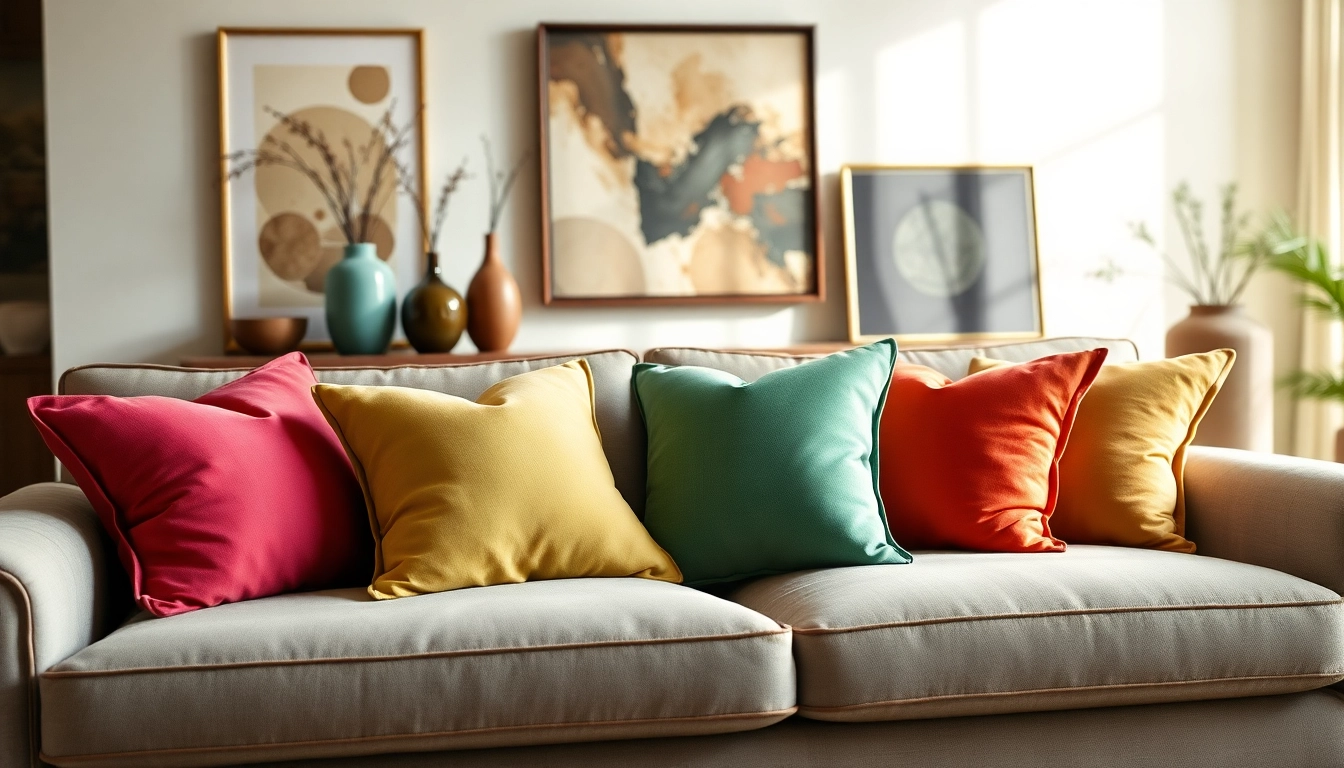
- Throw pillows: Adding comfort and color to seating.
- Rugs: Defining spaces and providing warmth underfoot.
- Lighting solutions: Including table lamps, floor lamps, and decorative lighting.
- Wall art: Enriching walls with visual interest.
- Storage solutions: From bins to shelving units that optimize space.
- Window treatments: Enhancing privacy and light control.
This range of products allows for personalization and flexibility, making it easier to adapt to evolving design trends and personal preferences.
Importance of Quality in Furniture Accessories
When selecting furniture accessories, quality is paramount. High-quality accessories not only enhance the aesthetics of a space but also ensure durability and functionality. Poor quality items, on the other hand, can lead to wear and tear, potentially compromising the overall look and feel of a room. Investing in quality products from reputable Furniture Accessories Supplier is essential, as these items reflect the homeowner’s or designer’s commitment to excellence and can significantly elevate a living or working environment.
Benefits of Collaborating with a Furniture Accessories Supplier
Cost-Effectiveness for Homeowners and Designers
One of the primary benefits of partnering with a Furniture Accessories Supplier is the cost-effectiveness it offers. Bulk purchasing and supplier relationships can help consumers save significantly on individual item costs. Suppliers often provide access to wholesale prices, discounts, and promotions that are unavailable to the general public. Additionally, the value of these partnerships grows when considering the financial implications of time saved during procurement, as professionals can focus on design rather than sourcing individual items.
Access to Diverse Styles and Trends
Furniture Accessories Suppliers frequently curate collections that reflect the latest trends in design, ensuring customers have access to contemporary styles and designs. Collaborating with a supplier exposes designers and homeowners to an array of options they may not encounter on their own. This variety is crucial, especially in an industry characterized by rapid changes in consumer preferences, enabling clients to always stay in vogue and ensure their spaces reflect current design sensibilities.
Enhanced Creativity and Design Flexibility
Having a reliable Furniture Accessories Supplier allows designers and homeowners to experiment freely with their decor, mixing textures, colors, and styles more efficiently. The ease of access to various accessories enhances creativity and provides the flexibility needed to redesign spaces as tastes evolve. This adaptive approach can lead to innovative design solutions that maximize personal style while minimizing the stress typically associated with home redecorating projects.
Choosing the Right Furniture Accessories Supplier
What to Look for in a Supplier
Selecting the right Furniture Accessories Supplier is critical for ensuring a seamless experience and quality results. Key factors to consider include:
- Reputation: Look for suppliers with positive industry reputations, often reflected in client testimonials and reviews.
- Product Range: Ensure they offer a suitable variety of styles and product categories that align with your design goals.
- Customer Service: Assess their responsiveness and willingness to assist with inquiries or issues that may arise.
- Shipping Options: Consider suppliers that provide flexible shipping solutions that can accommodate your project timelines.
Evaluating Customer Reviews and Product Quality
Before making a final decision, it’s beneficial to evaluate customer reviews using platforms and forums within the interior design community. Reviews will offer insight into product quality, durability, and overall customer satisfaction. Look for consistent feedback regarding the quality of materials, ease of assembly (if applicable), and the supplier’s handling of issues or returns. This thorough vetting process helps mitigate potential risks associated with poor purchasing decisions.
Understanding Pricing and Value
A critical step in selecting a Furniture Accessories Supplier involves understanding pricing structures and assessing value. Compare the prices across various suppliers while keeping a keen eye on the quality of materials offered. Low prices may sometimes indicate compromised quality, so it’s essential to seek a balance between affordability and excellence. Investing slightly more in high-quality items often yields better long-term value through durability and aesthetic appeal.
Best Practices for Using Furniture Accessories in Home Decor
Mixing and Matching Styles
One of the most exciting aspects of interior design is the ability to mix and match various styles to create a personalized look. For effective mixing, consider pairing complementary colors and textures to maintain harmony. For instance, contrasting modern and vintage styles can create visual interest, but be strategic about how elements complement one another to avoid the space feeling chaotic or disjointed. Aim for a cohesive color palette that serves as a tie between the differing styles.
Color Coordination Tips
Color coordination can significantly enhance the visual appeal of a space when using furniture accessories. Utilize a color wheel to identify complementary or analogous colors. For larger accessories, like rugs and curtains, consider more neutral shades that allow for flexibility. Use vibrant or bold colors sparingly in smaller accessories, such as throw pillows or art pieces, that can be easily updated over time. This approach permits seasonal or trend-based updates without a complete redesign.
Creating Focal Points with Accessories
Creating focal points in a room can be achieved through strategic placements of furniture accessories. Use larger items like an oversized piece of art or a distinctive light fixture to draw the eye and anchor the space. Arrange secondary accessories, like smaller artworks or decorative pieces, around this focal point to create an inviting dialogue within the space. This layering effect not only evokes interest but also encourages emotional connection to the design, effectively creating a “story” for each room.
Future Trends in Furniture Accessories
Eco-Friendly Materials and Sustainability
As awareness surrounding environmental impacts grows, the demand for eco-friendly materials in furniture accessories is on the rise. Consumers are now looking for sustainably sourced products, recycled materials, and manufacturers who prioritize ethical practices. This trend allows buyers to not only beautify their homes but also align their purchasing choices with personal and environmental values. Suppliers who invest in sustainable practices often appeal to an audience increasingly concerned about their ecological footprint.
Smart Accessories for Modern Living
The integration of technology into furniture accessories is becoming a focal trend. Smart home accessories, including adjustable lighting, automated curtains, and sound systems, are revolutionizing how we interact with our living spaces. These innovations blend functionality with design, enhancing convenience while allowing homeowners to personalize their environments. Keeping abreast of emerging tech trends can open up fresh opportunities for suppliers and customers alike.
Minimalist Versus Maximalist Design Trends
Interior design continues to oscillate between minimalism and maximalism, catering to diverse consumer preferences. Minimalist designs emphasize simplicity and functionality, often characterized by neutral colors and sparse accessories. In contrast, maximalist designs favor bold patterns, vibrant colors, and a diverse array of accessories, embracing a more eclectic approach. Understanding these trends can help suppliers curate collections that appeal to a wide segment of buyers, allowing designers to choose styles that resonate with intended audiences.
FAQs about Furniture Accessories Suppliers
1. What types of products do furniture accessories suppliers usually offer?
Furniture accessories suppliers offer a variety of items, including decorative pillows, rugs, lighting, and storage solutions designed to enhance interior spaces.
2. How can I choose the right furniture accessories supplier?
To choose the right supplier, evaluate their product range, reputation, customer service, and shipping options, ensuring they align with your design needs.
3. Are high-priced accessories always better in quality?
Not necessarily. While high prices can indicate quality, it’s essential to research materials and customer reviews to make an informed decision.
4. What are some tips for mixing different styles in home decor?
For mixing styles, maintain a cohesive color palette, balance textures, and ensure that pieces complement each other instead of clashing.
5. How can sustainability impact my choice of accessories?
Sustainability can impact your choices by encouraging you to select eco-friendly materials and brands that prioritize ethical manufacturing practices, aligning with personal values.