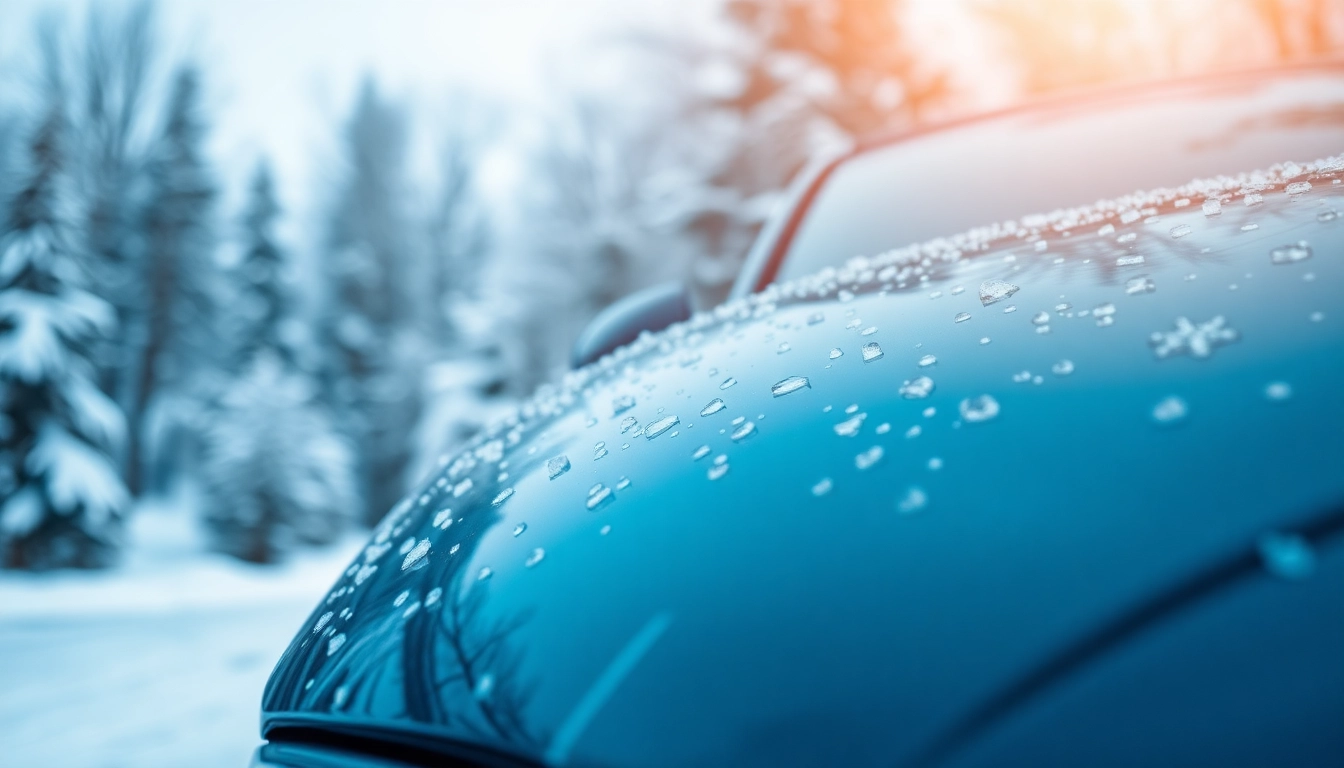
Understanding PPF Winter Road Salt Protection
When the winter season approaches, vehicle owners need to consider the potential threats to their cherished investments. Among the most insidious of these threats is road salt. While road salt is used to enhance traction on icy roads, it can also cause extensive damage to your vehicle’s exterior. This is where PPF winter road salt protection comes into play. Paint Protection Film (PPF) offers a robust defense system against the corrosive effects of salt, and understanding its role is crucial for maintaining your vehicle’s aesthetics and value during colder months.
What is PPF?
Paint Protection Film (PPF) is a revolutionary material designed to shield a vehicle’s paintwork from various environmental threats. This transparent polyurethane film is applied to the exterior, where it acts as a barrier between the vehicle and the elements. The application of PPF is not merely about aesthetics; it significantly enhances the vehicle’s longevity by safeguarding it against scratches, chips, and contaminants, including road salt corrosion.
Importance of Road Salt Protection
Road salt may serve an essential function during winter, but its effects on vehicle paint are detrimental. When road salt accumulates on a vehicle’s surface, it can lead to oxidation, paint chipping, and, eventually, metal corrosion. The protective qualities of PPF become particularly vital as it provides an invisible shield that absorbs damage, allowing vehicle owners to enjoy peace of mind knowing their cars are safe from winter’s harsh elements.
Benefits of PPF in Winter Conditions
Applying PPF during winter can yield several benefits, including:
- Enhanced Protection: PPF provides a strong barrier against road salt, reducing the chances of corrosion and long-term damage.
- Self-Healing Properties: Unique to modern PPFs, they can recover from minor scratches and abrasions, ensuring your vehicle remains pristine.
- UV Protection: PPF also protects against UV rays, preventing the paint from fading, which is important during winter when sunny but cold days can still occur.
- Easy Maintenance: Vehicles with PPF are often easier to clean; contaminants wash off more easily, minimizing upkeep time.
How PPF Protects Your Vehicle
Physical Barriers Against Salt
PPF acts as a physical barrier, absorbing the impact of road salt before it touches the vehicle’s surface. Its sturdy composition is designed to withstand harsh winter conditions, including extreme cold and the abrasive nature of ice and snow. Once applied, the film adheres firmly to the paint, ensuring that road salt, debris, and water cannot penetrate through to the vehicle’s paint job.
Self-Healing Properties of PPF
One of the standout features of high-quality PPF is its self-healing properties. Minor scratches and swirl marks can often disappear when exposed to heat from the sun or even warm water, making it an attractive option for those concerned about maintaining their vehicle’s appearance. This characteristic is particularly beneficial in winter conditions, where the potential for minor scrapes is heightened due to road conditions.
Long-Term Protection Advantages
The long-term advantages of using PPF are exceptional. Unlike wax or sealants that need regular reapplication, PPF is a semipermanent solution that can last several years—often between five to ten, depending on the usage and care. The investment in PPF can avoid the need for expensive repainting and bodywork due to corrosion and damage incurred from winter road conditions.
Application Process of PPF for Winter Care
Preparing Your Vehicle
Before applying PPF, it is essential to prepare your vehicle adequately. This involves washing the car meticulously to remove any dirt, grime, and contaminants. For best results, it’s advisable to perform a full detail which includes:
- Clay bar treatment to eliminate embedded contaminants.
- Paint correction to remove scratches and imperfections.
- Thorough drying to ensure no water remains that could interfere with adherence.
Step-by-Step Application
While professional installation is recommended, understanding the basic steps involved can be helpful:
- Precise Measurements: Measure and cut the film to fit specific sections of your vehicle.
- Solution Application: Use a slip solution to assist with positioning the film on the paint surface.
- Positioning: Align the film with the car’s body edges.
- Squeegeeing: Remove air bubbles and excess solution using a squeegee.
- Final Cure: Allow the film to cure as per manufacturer instructions for maximum adhesion.
Common Mistakes to Avoid
To ensure the best outcomes, consider avoiding these common pitfalls during PPF application:
- Insufficient surface preparation, which can lead to poor adhesion.
- Neglecting to allow the film to cure fully, which may cause peeling.
- Trying to rush the installation, which can result in bubbles and misalignment.
Maintaining PPF During Winter
Routine Care Tips
To ensure longevity and optimal performance of your PPF, regular maintenance is crucial, especially during winter. Here are some key tips:
- Regularly wash your vehicle with a pH-balanced soap and gentle microfiber materials.
- Avoid automatic car washes with brushes, as they can scratch the film.
- Inspect your vehicle after winter storms for salt buildup and clean it promptly.
How to Inspect Your PPF
Routine inspections are vital. Check for signs of lifting, peeling, and bubbles. Don’t forget to examine edges carefully, as dirt accumulation can lead to damage over time. It’s best to address any concerns immediately to prevent more extensive repairs later.
Dealing with Damage or Wear
If you notice scratches, dents, or other signs of wear on your PPF, it is essential to address these promptly. Minor damages can often be treated with heat or by a qualified professional to restore the film’s integrity. In cases of significant damage, consider having the specific areas re-wrapped to maintain full protection.
Frequently Asked Questions about PPF Winter Road Salt Protection
How long does PPF last?
PPF typically lasts between 5-10 years, depending on environmental conditions and maintenance.
Can I apply PPF myself?
While DIY applications are possible, professional installation ensures better adhesion and fewer errors.
Is PPF removable?
Yes, PPF can be safely removed without damaging the vehicle’s paint when done correctly by professionals.
Does PPF change the color of my vehicle?
Premium PPF is clear and usually enhances the vehicle’s appearance without altering its original color.
How does PPF compare to waxing?
PPF offers superior protection against scratches and chemical damage, while waxing provides a temporary shine.