Understanding Roofing Needs in South Jersey
The diversity of architecture and housing styles in South Jersey creates a unique landscape for roofing solutions. Homeowners must carefully consider their roofing needs to ensure longevity and performance, especially in regions with fluctuating weather patterns. From identifying common roofing problems to understanding local climate considerations, this guide will shed light on navigating the complex roofing landscape in South jersey.
Identifying Common Roofing Problems
In South Jersey, homeowners often encounter specific roofing issues that can compromise the integrity and lifespan of their roofs. Some prevalent problems include:
- Leaks: Caused by damaged shingles, improper installation, or wear and tear, leaks can lead to significant water damage and mold growth.
- Granule Loss: The granules on asphalt shingles protect them from UV rays. Loss of granules can indicate aging and decreased effectiveness.
- Ponding Water: Flat roofs are especially vulnerable to water pooling, which can eventually lead to leaks and structural damage.
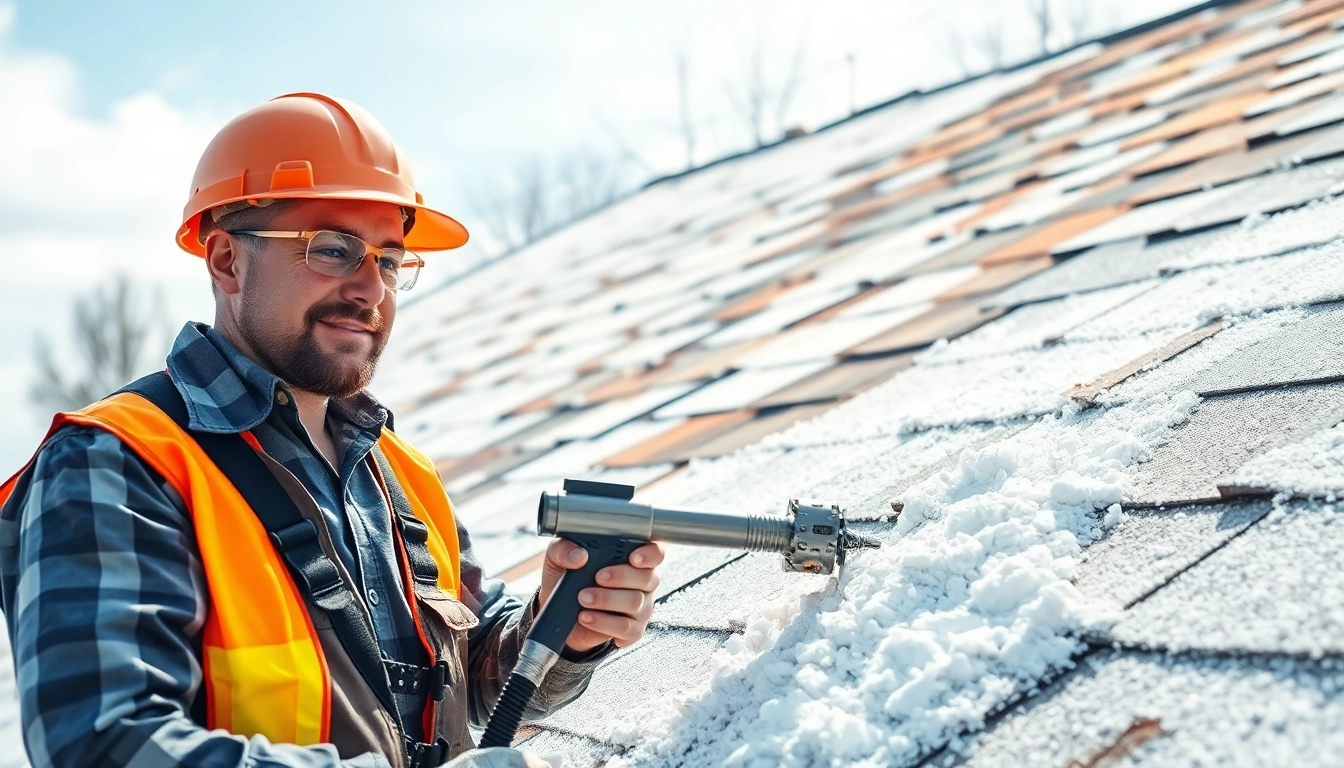
- Ice Dams: The winter months can bring ice dams that form from melting snow, leading to leaks and roof damage when they refreeze.
Factors Affecting Roofing Decisions
Several factors should influence roofing decisions for homeowners in South Jersey:
- Budget: Establishing a budget is crucial, as roofing projects can range significantly in cost depending on materials and labor.
- Style: The architectural style of the home should guide material selection. Traditional homes may be better suited for asphalt shingles, while modern designs might benefit from metal roofs.
- Environment: Local weather conditions can affect the durability and performance of different roofing materials, making climate considerations vital.
Local Climate Considerations
The climate in South Jersey varies with seasons, making it essential for homeowners to choose roofing materials suited to withstand humidity, storms, snow, and ice. For example, during hot summers, roofing materials should reflect sunlight to reduce cooling costs, while in winter, they must endure the weight and insulation needs associated with snowfall.
Types of Roofing Materials for South Jersey
When it comes to roofing materials, homeowners have a variety of options, each with its advantages and disadvantages. Below are some of the most popular roofing materials in South Jersey:
Asphalt Shingles: Pros and Cons
Asphalt shingles are highly prevalent in South Jersey due to their affordability and versatility. They come in various colors and styles, making it easy to match any home’s aesthetics.
- Pros: Cost-effective, easy to install, and available in various styles. Good performance in variable weather, making them suitable for the South Jersey climate.
- Cons: Shorter lifespan compared to metal or tile roofs, and susceptibility to algae growth and wind damage.
Metal Roofing: Durability and Style
Metal roofing has gained popularity due to its longevity and modern appeal. It is especially suitable for homeowners seeking durability and energy efficiency.
- Pros: Extremely durable, fire-resistant, and energy-efficient. Metal roofs can last 50 years or more and often come with warranties exceeding 30 years.
- Cons: Higher installation costs and can be louder during rain if not properly insulated.
Tile Roofing: Aesthetic Benefits
Tile roofing, whether clay or concrete, offers a distinctive aesthetic and exceptional durability. Its unique look enhances curb appeal, especially in Mediterranean and Spanish-style homes.
- Pros: Long-lasting, resistant to harsh weather conditions, and eco-friendly options are available.
- Cons: Heavier than other materials, which may require structural reinforcement, and often comes with a higher upfront cost.
Finding Qualified Roofing Contractors in South Jersey
Selecting the right contractor is paramount for a successful roofing project. Homeowners in South Jersey should consider the following factors while searching for qualified roofing professionals.
Key Qualities to Look For
When evaluating contractors, keep an eye out for the following attributes:
- Experience: Look for contractors with a solid track record in roofing projects, particularly in your area.
- References: Strong recommendations from previous clients can provide insights into the contractor’s quality of work.
- Insurance: Ensure that the contractor has liability and worker’s compensation insurance to protect against accidents.
Verification and Licensing
Always verify that your chosen contractor is licensed and meets local compliance standards. This assurance indicates professionalism and adherence to regulations.
How to Evaluate Proposals
Carefully review proposals to ensure they include detailed estimates, timelines, warranties, and payment options. Don’t hesitate to ask questions or request clarification on any points that are not clear.
Maintenance Tips for South Jersey Roofs
Regular maintenance is crucial to prolonging the life of your roof. Implementing a proactive maintenance schedule can prevent costly repairs in the future.
Regular Inspections and Care
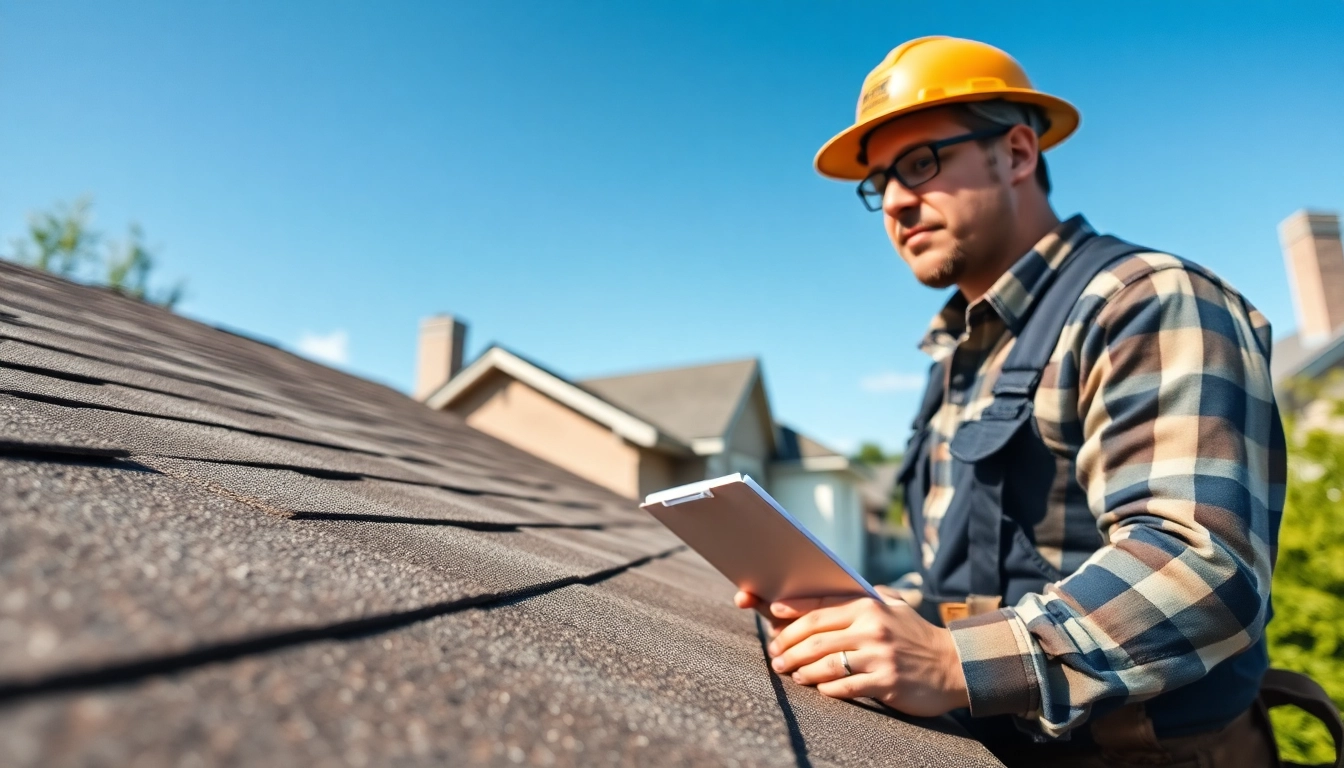
Schedule inspections at least twice a year, ideally in spring and fall, to assess the roof’s condition. Homeowners should look for signs of damage, such as missing shingles or rusted metal.
Seasonal Maintenance Checklist
In South Jersey, carrying out seasonal maintenance can stave off major issues:
- Spring: Clear debris from gutters and inspect for winter damage.
- Summer: Check for air conditioning leaks and hot spot detection on the roof surface.
- Fall: Ensure gutters are free of leaves and the roof is ready for winter.
- Winter: Inspect for ice dams and perform quick repairs as necessary.
Emergency Repairs and When to Call
In emergencies, such as severe leaks after a storm, it is essential to know when to call a professional. If water enters the home, immediate action is required to prevent mold and structural damage.
FAQs About Roofing in South Jersey
What are the most common roofing materials used in South Jersey?
The most common roofing materials in South Jersey include asphalt shingles, metal roofing, and tile roofing, each offering various benefits suited to different architectural styles.
How often should I inspect my roof?
Homeowners should inspect their roofs at least twice a year, preferably in spring and fall, and after severe weather events.
What signs indicate that I need a roof replacement?
Signs of needing a replacement include significant leaks, extensive shingle damage, sagging, or the roof nearing or exceeding its expected lifespan.
Which roofing types are best for storm resistance?
Metal and tile roofs are best for storm resistance due to their durability and ability to withstand high winds compared to traditional shingles.
How can I prolong the lifespan of my roof?
Regular maintenance, timely repairs, and roof inspections can significantly prolong the lifespan of your roof, helping catch issues early and avoid costly repairs.