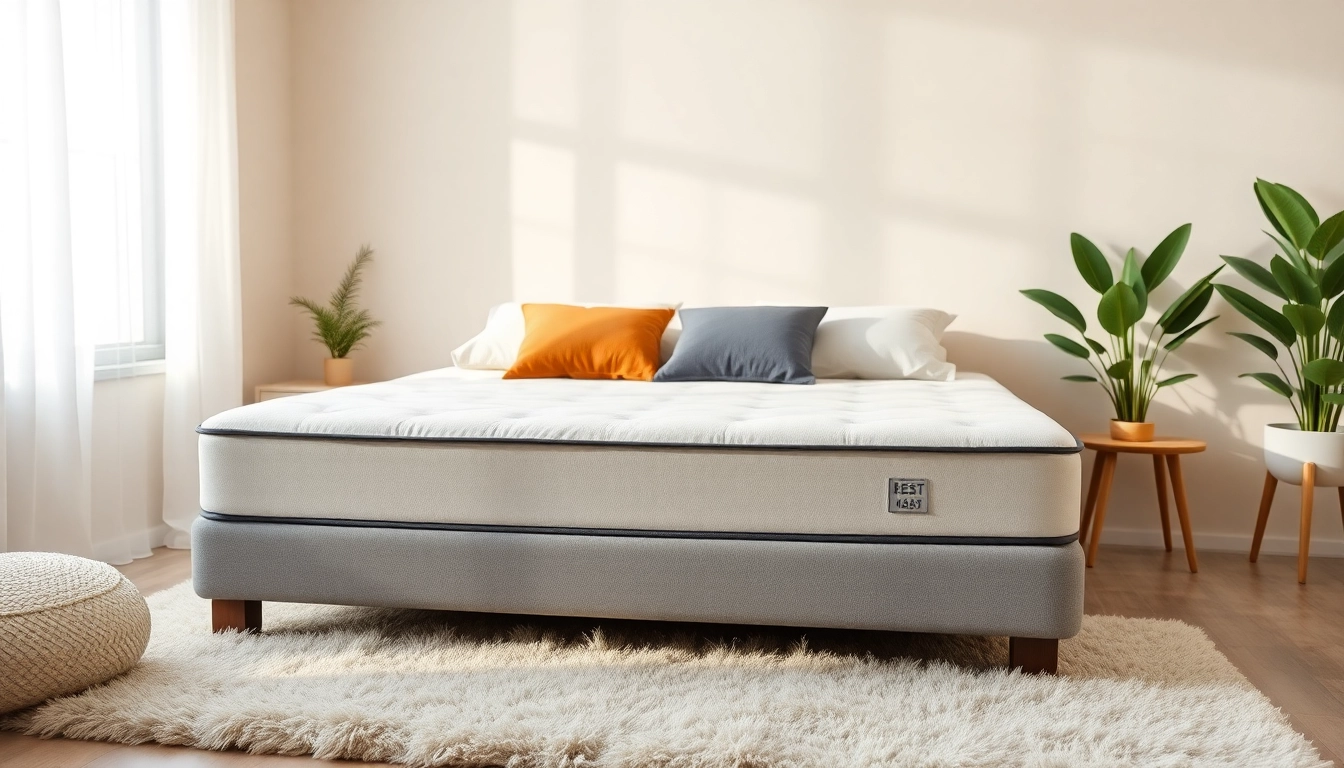
Introduction to the Best Memory Foam Mattress
When it comes to selecting the perfect mattress, comfort, support, and sleep quality are paramount. Among the various types of mattresses available today, memory foam stands out due to its unique properties that cater to a range of sleep needs. In this comprehensive guide, we will delve into the world of memory foam mattresses, particularly focusing on what makes them the best memory foam mattress, how to choose the right one, and tips for maintaining it over time.
What is Memory Foam?
Memory foam, originally developed by NASA in the 1960s, is a viscoelastic material designed to soften with body heat. This allows it to conform to the body’s shape, providing personalized support and comfort. Its unique properties make it an ideal choice for a wide range of sleepers, from those needing pressure relief to individuals seeking enhanced spinal alignment.
Benefits of Using Memory Foam Mattresses
Memory foam mattresses offer several benefits that cater to diverse sleep preferences:
- Pressure Relief: Memory foam molds to the contours of your body, alleviating pressure points that can lead to discomfort.
- Spinal Alignment: By supporting the natural curve of your spine, memory foam helps maintain proper posture during sleep.
- Motion Isolation: Ideal for couples, memory foam minimizes motion transfer, allowing one partner to move without disturbing the other.
- Durability: High-quality memory foam mattresses can last for years without sagging or losing support.
- Hypoallergenic Properties: Many memory foam mattresses resist allergens such as dust mites, making them suitable for allergy sufferers.
How to Identify High-Quality Memory Foam
When shopping for a memory foam mattress, quality is key. Consider the following factors:
- Density: Higher density foam (4 lbs per cubic foot or more) typically indicates better support and durability.
- Certifications: Look for certifications such as CertiPUR-US® to ensure the foam is free from harmful chemicals.
- Construction: A well-constructed mattress will have multiple foam layers, which enhance comfort and support.
Key Features of the Best Memory Foam Mattress
Density and Thickness Explained
The density and thickness of a memory foam mattress play a crucial role in its overall comfort and support. Density refers to the weight of the foam, while thickness pertains to how tall the mattress is. Typically, a mattress of 10 to 14 inches offers a balance of comfort and support. Thicker mattresses often provide more cushioning, while density affects not just durability but also the firmness level. For example, a higher-density mattress will likely feel firmer than a lower-density option.
Temperature Sensitivity of Memory Foam
Traditional memory foam mattresses tended to retain heat, making them unsuitable for those who sleep hot. However, modern memory foam mattresses have incorporated cooling technologies such as gel infusions, copper-infused foam, or open-cell structures. These advancements help regulate temperature, ensuring a comfortable sleep environment.
Motion Isolation and Support
Memory foam’s ability to isolate motion is one of its most praised features. This characteristic is particularly beneficial for couples or individuals who move around frequently in their sleep. The material contours to various sleeping positions, providing solid support that minimizes motion disturbance. This ensures both parties in a bed can enjoy restful sleep without interruptions.
Selecting the Right Best Memory Foam Mattress for Your Needs
Choosing the Right Firmness Level
The firmness of a mattress is subjective and varies based on personal preference and sleeping position. Generally, firmness levels range from soft (3-4), medium (5-6), to firm (7-10). Side sleepers often prefer softer mattresses for pressure relief, while back and stomach sleepers may require firmer options to support spinal alignment. Test mattresses when possible to find your optimal firmness level.
Specific Needs: Back Pain, Side Sleepers, etc.
Individuals with specific health concerns, such as chronic back pain, should select mattresses designed to accommodate these issues. Memory foam is inherently advantageous for back pain relief due to its contouring properties. Additionally, side sleepers should consider memory foam mattresses that offer adequate cushioning for shoulders and hips to avoid pain. Consulting with a healthcare professional can also provide personalized recommendations.
Budget Considerations for Memory Foam Mattresses
Prices for memory foam mattresses can vary significantly, ranging from budget-friendly options to luxury models. It’s essential to balance quality and price. Consider factors such as warranty, return policy, and overall durability when evaluating options. Investing in a higher-priced mattress may yield better long-term value and comfort.
Caring for Your Best Memory Foam Mattress
Cleaning and Maintenance Tips
Proper care extends the life of your memory foam mattress. Regular cleaning is essential; use a vacuum cleaner with an upholstery attachment to remove dust and allergens. Spot-clean stains with a mild detergent and, if necessary, use a protector to shield against spills and discoloration. Rotate the mattress every few months to ensure even wear.
Lifespan and Warranty Insights
Most memory foam mattresses come with a warranty lasting 10 to 20 years, depending on the manufacturer and quality. Understanding the warranty’s terms and conditions is crucial. A long warranty often indicates confidence in the product’s durability, but always verify exactly what it covers. A well-maintained memory foam mattress should last between 7 to 10 years, but signs of sagging or discomfort may signal the need for replacement.
Signs It’s Time to Replace Your Mattress
Common indications that it may be time to replace your mattress include:
- Visible sagging or indentation, causing uneven support.
- Persistent discomfort or pain upon waking.
- Increased allergies or respiratory issues while sleeping.
- Excessive motion transfer, disrupting sleep for partners.
- Age of the mattress exceeding 7-10 years without adequate support.
Frequently Asked Questions About the Best Memory Foam Mattress
How long does a memory foam mattress last?
A high-quality memory foam mattress generally lasts between 7 to 10 years, though this can vary based on usage and care.
Can I flip my memory foam mattress?
Most memory foam mattresses are designed to be one-sided, making flipping unnecessary and potentially detrimental to support.
Are memory foam mattresses hot to sleep on?
While traditional memory foam retains heat, many modern versions use cooling technologies to regulate temperature, enhancing comfort.
What type of foundation is best?
An adjustable base, slatted frame, or solid platform is recommended for supporting memory foam mattresses, ensuring proper alignment and airflow.
Do memory foam mattresses come with a trial period?
Many manufacturers offer trial periods, typically lasting 30 to 120 days, allowing you to test the mattress before committing.